Legality / CA
California THCA Laws
RestrictedUpdated April 28, 2026 by THCAmap editors
California treats hemp-derived THCA under tighter rules than the federal Farm Bill baseline. Some forms ship; others don't. Read the details below before you order.
Is THCA Legal in California? — 2026 Guide
THCA in California is legally complicated: the federal 2018 Farm Bill protects sub-0.3%-delta-9 hemp, but California’s AB 45 / AB 2223 framework plus emergency regulations from September 2024 effectively bar most intoxicating THCA products from sale outside the licensed adult-use cannabis system — creating a gray market where federal compliance and state retail compliance often diverge.
The short answer
California is the most legally tangled state in our directory for THCA. The 2018 federal Farm Bill protects hemp at 0.3% or less delta-9 THC by dry weight at harvest. California’s AB 45 (2021) and AB 2223 (2024) layer in stricter rules: industrial hemp food, beverage, and cosmetic products are regulated by the California Department of Public Health (CDPH), and adult-use cannabis is regulated separately by the Department of Cannabis Control (DCC). In September 2024, then-Governor Gavin Newsom announced emergency regulations banning intoxicating hemp products from non-cannabis retail channels — pulling THCA flower, hemp-derived delta-9 gummies, and hemp-derived intoxicating cannabinoids off most California shelves outside licensed dispensaries. The result: federally compliant THCA is technically not contraband, but it is functionally unavailable through normal retail and most online brands have geofenced California.
What “California AB 45 / AB 2223” actually says — and the 2024 emergency rule
AB 45 (2021) authorized industrial-hemp food, beverage, supplement, and cosmetic products and required CDPH licensing. AB 2223 (2024) extended the framework and tightened the ceiling on intoxicating cannabinoids. Together they restrict per-serving and per-package THC content for any hemp product sold outside the licensed cannabis channel.
The September 2024 emergency regulation, adopted by CDPH, went further: any hemp final-form product sold in California must contain zero detectable comparable cannabinoids — including THCA, delta-8-THC, delta-10-THC, and other intoxicating analogs — when sold through non-cannabis retail. In practical terms, an intoxicating product can lawfully exist in California only when sold through a DCC-licensed adult-use cannabis dispensary as a regulated cannabis product, not as hemp.
In plain English: California adopted a functional zero-tolerance rule for intoxicating hemp cannabinoids in non-cannabis retail. Federally compliant THCA flower with 0.2% delta-9 and 22% THCA is not “marijuana” under federal law, but under California’s rule it cannot be sold as hemp through smoke shops, online hemp retailers shipping into California, or convenience stores — because it contains a detectable comparable cannabinoid (THCA) that converts to delta-9 on heating.
The emergency regulations have been formally adopted as permanent rules; an industry coalition filed litigation in January 2026 challenging them on federal preemption and procedural grounds. That litigation is ongoing.
Total-THC vs delta-9: California’s de facto position
California is, in effect, a total-THC plus zero-detectable-comparable-cannabinoids state. The regulatory text doesn’t always frame it that way, but the practical effect is identical: intoxicating-strength THCA flower fails the test, hemp-derived delta-9 gummies fail the test, and intoxicating disposables fail the test — all when sold outside the DCC-licensed channel.
For consumers:
- A federally compliant THCA flower SKU shipping freely into Arizona or Florida cannot be sold to a California address by a hemp brand.
- Adult-use cannabis is legal in California through Proposition 64 (2016) and licensed DCC dispensaries; that system remains the lawful path to intoxicating cannabis products.
- CBD-dominant hemp products that pass the “no detectable comparable cannabinoid” rule are still legal — but high-THCA flower is not.
Can you legally buy THCA online in California?
Effectively no, for intoxicating-strength products. Our brand directory shows zero major national THCA brands currently shipping intoxicating-strength flower or vapes to California addresses as of April 2026. Brands that previously shipped to California — including Lucky Elk, Mood, and Hometown Hero — pulled California from their eligible-states lists during the September 2024 emergency-rule rollout. Some non-intoxicating CBD or low-THCA SKUs may still ship; verify on each brand’s product page.
The lawful path for intoxicating cannabis in California is the DCC-licensed adult-use dispensary system. See /buy/ca/ for our California directory and the legal channels available to adults 21+.
Local stores and dispensaries
California has the largest licensed adult-use cannabis retail market in the country. Dispensaries operate in Los Angeles, San Francisco, San Diego, Sacramento, Oakland, Long Beach, Fresno, San Jose, and most cities that have opted in to local commercial cannabis. These stores sell DCC-regulated cannabis flower, vapes, edibles, and concentrates — not hemp-derived THCA. CBD and non-intoxicating hemp products are widely available at conventional retail under AB 45 / AB 2223 rules. See /buy/ca/ for our California directory.
Recent legal developments
- 2026-04-02 — California regulators issued an updated rule on intoxicating-hemp testing thresholds, extending the September 2024 emergency framework into permanent regulation.
- 2026-01-12 — An industry coalition filed litigation challenging recent California hemp restrictions, arguing federal Farm Bill preemption and Administrative Procedure Act violations.
- 2025-09-30 — A retailer compliance deadline took effect for total-THC and comparable-cannabinoid testing, removing remaining intoxicating hemp SKUs from non-cannabis retail.
How California compares to neighbors
California is more restrictive on intoxicating hemp than Arizona and Nevada — both of which allow Farm Bill-compliant THCA in non-cannabis retail. Oregon and Washington channel intoxicating hemp into their licensed cannabis systems with effects similar to California’s. The pattern: West Coast states with mature adult-use cannabis markets tend to push hemp-derived intoxicants either into the licensed channel or out of the market entirely. California is the most aggressive enforcer in that pattern.
What could change in 2026-2027
Three pressure points. First, the federal Farm Bill rewrite — pending in Congress — could either codify total-THC standards nationally (in which case California’s framework becomes unremarkable) or reaffirm the harvest-time delta-9 line (which would strengthen the preemption challenge). Second, the industry litigation filed in January 2026 could narrow application of the emergency rule on procedural or preemption grounds. Third, California’s DCC has explored allowing licensed dispensaries to sell hemp-derived intoxicating products under cannabis-system rules — a “channel reconciliation” that would functionally end the gray market by formalizing the licensed-only channel. Track each of these at /learn/farm-bill-tracker/.
FAQ
Is THCA flower legal in California?
Federally, yes — it meets the 2018 Farm Bill’s 0.3%-delta-9 standard at harvest. Under California’s September 2024 emergency rule (now permanent), intoxicating-strength THCA flower cannot be sold through non-cannabis retail. Adult-use cannabis dispensaries can sell regulated cannabis flower instead, under DCC rules.
Can I have THCA shipped to California?
Most national THCA brands have geofenced California for intoxicating-strength products. Some non-intoxicating CBD or low-THCA SKUs may ship; verify at checkout. See the current shipping list for California.
Does California test for total-THC or delta-9?
California uses a zero-detectable-comparable-cannabinoids standard for hemp products sold outside the licensed cannabis channel. In practice, that’s stricter than total-THC — any detectable THCA, delta-8, delta-10, or comparable analog disqualifies the product from non-cannabis retail.
Are THCA pre-rolls, vapes, and gummies legal in California?
Not through hemp retail. Intoxicating-strength pre-rolls, vapes, and gummies must be sold through DCC-licensed adult-use cannabis dispensaries as cannabis products, not as hemp. Non-intoxicating CBD versions may still qualify under AB 45 / AB 2223.
Will I fail a drug test from THCA in California?
Yes — pharmacology doesn’t care about state law. THCA converts to delta-9 once smoked or vaped, and standard urine immunoassays detect the metabolite. See /learn/thca-drug-test/.
What’s the difference between hemp THCA and dispensary cannabis in California?
Both are forms of Cannabis sativa L. Federal law defines hemp by harvest-time delta-9 content (≤0.3%); California regulates intoxicating products through the DCC licensing system regardless of plant origin. The DCC channel has age-gating, taxes, and tracking that hemp retail does not.
What changes if the federal Farm Bill is rewritten?
If Congress codifies a federal total-THC standard, California’s framework becomes federal law and the gray market closes nationally. If Congress reaffirms the existing harvest-time delta-9 definition, the federal preemption argument against California’s emergency rule strengthens. Track the Farm Bill timeline.
Sources
- Primary statute: AB 2223 (2024) on the California Legislative Information site
- AB 45 (2021) on the California Legislative Information site
- California regulators’ updated testing rules (NASHP, 2026-04-02)
- Industry coalition litigation (Hemp Benchmarks, 2026-01-12)
- Retailer compliance deadline coverage (Hemp Industry Daily, 2025-09-30)
- Federal Farm Bill tracker (THCAmap)
[Disclaimer]: 21+ only. THCAmap publishes directory and educational content. Nothing here is legal advice — California’s regulatory landscape is rapidly evolving. Verify with the AB 2223 statute text and a California-licensed attorney before relying on it.
What this means for you in California
- Some THCA forms are allowed; others are restricted. Smokable flower and high-potency products see the most friction.
- Always check vendor shipping policies at checkout — many national brands geofence specific SKUs to this state.
- Total-THC limits apply in California. A product that passes federal hemp rules may still fail your state’s test.
California requires total-THC testing — not just delta-9
Products that pass federal hemp rules (≤0.3% delta-9 THC by dry weight) may still exceed California’s total-THC threshold. The state calculates Total THC = delta-9 + (THCA × 0.877), which means raw THCA flower at 20%+ THCA almost always fails. Check vendor COAs that report Total THC explicitly before ordering, and assume smokable flower is the SKU most likely to be blocked at checkout.
California hemp statute, in plain English
California treats hemp-derived THCA products under tighter rules than the baseline Farm Bill model. AB 45 / AB 2223 (2024) introduced provisions that may include total-THC testing at point-of-sale, age-gating to 21+, mandatory licensing of retailers, restrictions on smokable hemp flower, or limits on intoxicating cannabinoid concentrations. Some online brands continue to ship to California, but availability varies by SKU and many large retailers have geofenced specific products. Buyers should expect more friction than in legal-status states and should verify shipping eligibility on each product page before purchase. Legislation in California is actively evolving — check the news feed below for the latest developments.
Read the full statute: AB 45 / AB 2223 (2024)
Where California sits relative to the federal Farm Bill
California vs. Federal Hemp Posture
Tracking how California has aligned (or diverged) from the 2018 Farm Bill baseline.
For the federal-level legislative timeline, see the Farm Bill Tracker →
Recent California hemp-law developments
Top brands shipping THCA to California
Filtered by lab transparency and overall THCAmap score. No paid placement.
No brands in our directory currently ship to California. Check back as we expand the brand catalog.
Local THCA stores in California
Searching near Los Angeles, CA.
-
 Retail photo
Green Qween Weed Dispensary Los Angeles
1051 S Broadway, Los Angeles, CA 90015, USA
★ 4.8 · 1,313 reviews
- Retail photo
-
 Retail photo
LA Wonderland Marijuana Dispensary Los Angeles
150 Venice Blvd., Los Angeles, CA 90015, USA
★ 4.8 · 3,976 reviews
-
 Retail photo
The Cure Company Cannabis Dispensary
930 S Alameda St, Los Angeles, CA 90021, USA
★ 4.6 · 459 reviews
Top retailers in California
Aggregated from Los Angeles, San Diego, San Jose.
- Retail photo
LA Wonderland Marijuana Dispensary Los Angeles
Los Angeles, CA
150 Venice Blvd., Los Angeles, CA 90015, USA
★ 4.8 · 3,976 reviews
- Retail photo
Green Qween Weed Dispensary Los Angeles
Los Angeles, CA
1051 S Broadway, Los Angeles, CA 90015, USA
★ 4.8 · 1,313 reviews
- Retail photo
The Cure Company Cannabis Dispensary
Los Angeles, CA
2235 E 7th St, Los Angeles, CA 90023, USA
★ 4.6 · 663 reviews
- Retail photo
Urbn Leaf San Diego Cannabis Dispensary
San Diego, CA
1028 Buenos Ave, San Diego, CA 92110, USA
★ 4.8 · 5,478 reviews
-
 Retail photo
Sessions by the Bay Cannabis Dispensary and Lounge
San Diego, CA
700 Bay Marina Dr, National City, CA 91950, USA
★ 4.9 · 2,830 reviews
-
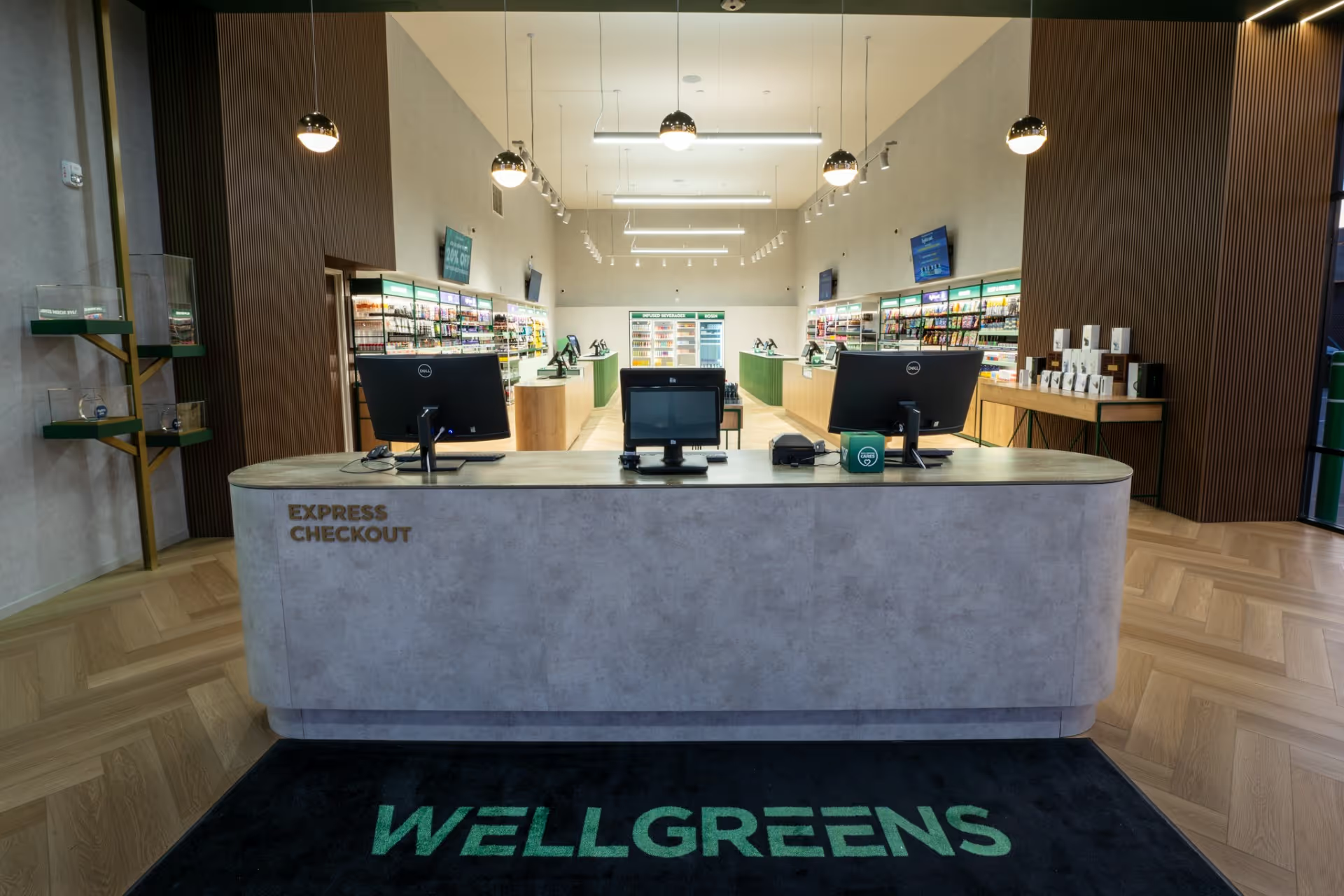 Retail photo
Wellgreens Mission Valley Cannabis Dispensary
San Diego, CA
3703 Camino del Rio S # 215A, San Diego, CA 92108, USA
★ 4.9 · 2,589 reviews
-
 Retail photo
Haze Dispensary
San Jose, CA
2436 Almaden Rd, San Jose, CA 95125, USA
★ 4.7 · 2,030 reviews
-
 Retail photo
10th Street Cannabis Co.
San Jose, CA
2121 S 10th St, San Jose, CA 95112, USA
★ 4.7 · 602 reviews
-
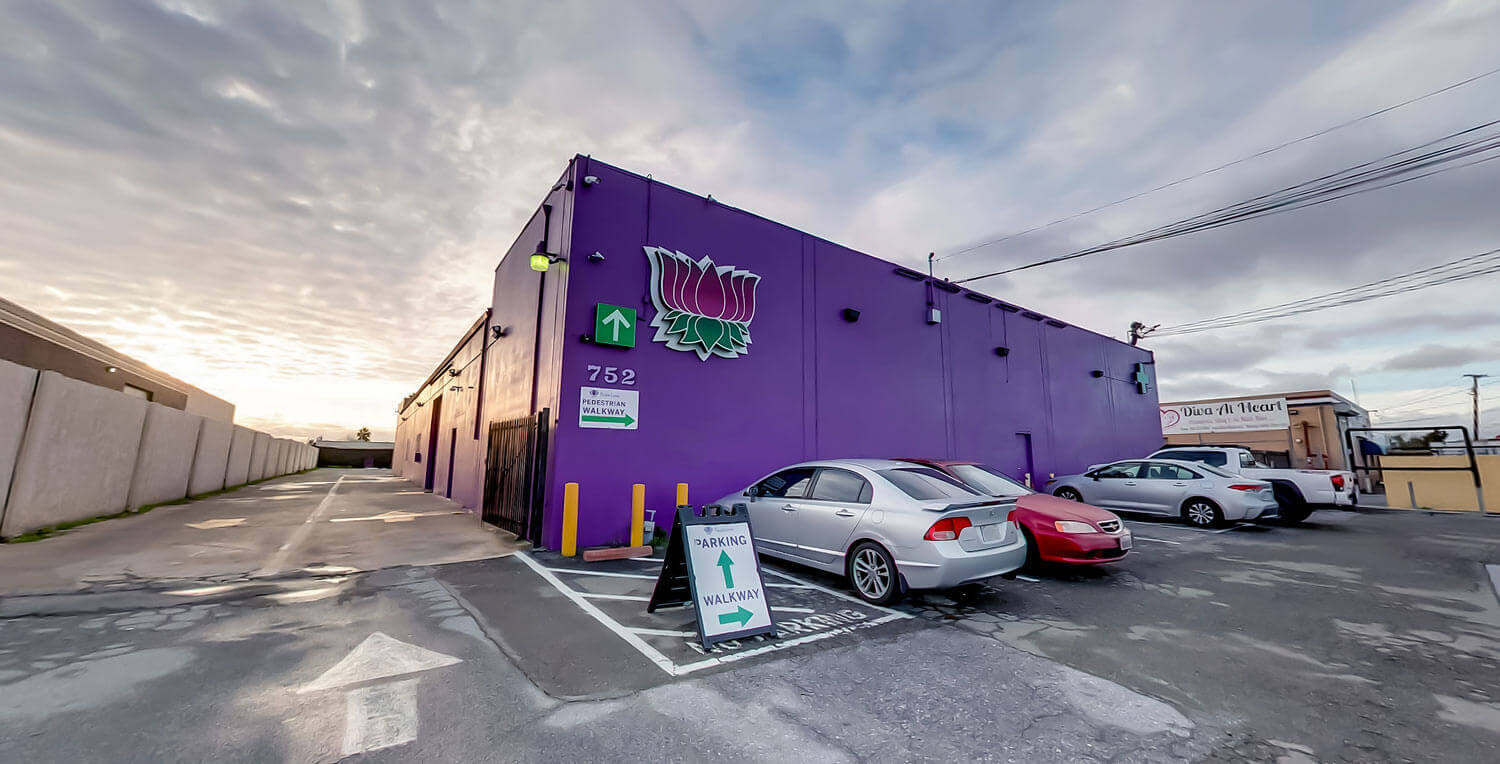 Retail photo
Purple Lotus Downtown San Jose Dispensary
San Jose, CA
66 W Santa Clara St, San Jose, CA 95113, USA
★ 4.7 · 370 reviews

THCA in California: frequently asked questions
Is THCA flower legal in California?
It depends. California layers state-level rules on top of the federal Farm Bill — including total-THC testing that fails most THCA flower. Some smokable flower SKUs continue to ship; others are blocked at the brand’s checkout. Always verify on the product page.
Can I have THCA shipped to California?
Yes — most national brands ship THCA products to California. Some SKUs (vapes, smokable flower) may be excluded from a brand’s California shipping list even when the state itself is legal. Always confirm shipping eligibility on the product’s checkout page before paying.
Does California test for total-THC or just delta-9?
California requires a total-THC test, not just delta-9. Total THC = delta-9 + (THCA × 0.877). Because raw THCA flower can contain 18–30% THCA, almost no THCA flower passes a state-level total-THC test even when it is fully federally compliant. This is the single biggest reason national brands geofence California for specific SKUs.
Are THCA pre-rolls, vapes, and gummies legal in California?
Generally yes for pre-rolls, vapes, disposables, and gummies in California, with the federal <0.3% delta-9 threshold and any state-specific potency or age rules applied. Smokable flower draws the most legislative attention; check the live status above before ordering smokables.
Will I fail a drug test from THCA in California?
THCA converts to delta-9 THC when smoked, vaped, or heated above ~220°F. That converted THC is the same molecule a standard urine drug test screens for. If you smoke or vape THCA in California (or anywhere), you can absolutely fail an employment or probation drug test. Raw THCA in edibles that haven’t been decarboxylated is less likely to trigger a positive but is not a guaranteed pass.
What’s the penalty for THCA possession in California?
If a future California bill reclassifies THCA as a controlled substance, possession would likely be charged under the state’s existing marijuana statute. THCAmap tracks pending bills in the timeline above. As of April 28, 2026, California is restricted — penalty risk is therefore moderate and SKU-dependent.
Where can I buy THCA locally in California?
Local brick-and-mortar availability of THCA in California mirrors the legal status above. In restricted states like California, brick-and-mortar selection narrows. Licensed retailers may carry compliant THCA edibles or beverages but not smokable flower. Use our finder for vetted local options.
Find brands shipping to California
Compare price, lab transparency, and delivery speed across vetted vendors.
Browse CA brandsNew to THCA?
Read the legal primer covering federal vs state law, drug-test risk, and lab COAs.
Read the THCA primer